Children’s behaviour is rarely static; it can shift noticeably from one day to the next, often
leaving teaching and support staff feeling puzzled or challenged. While children may appear to have a smooth day at school, the next day they may struggle or experience an emotional outburst. The question is, why can children seem calm, positive and engaged on some days, but struggle to stay regulated and motivated on others?
It’s completely normal for children to have both ‘good’ and ‘bad’ days in the classroom. For some children, a ‘bad’ day may follow a ‘good’ one when the events, expectations, or even the success from the day before leave them feeling overwhelmed, unmotivated or overstimulated. It’s important for teaching staff to understand why children may struggle to regulate their emotions and how that can make the day feel more difficult.
In this article, specialist education recruitment agency Spencer Clarke Group explains why some children struggle after a ‘good’ day and how teachers can help them reset after a ‘bad’ day.
What is a ‘good’ day?
A ‘good’ day can look different for every child, especially those with Special Educational Needs and Disabilities (SEND) or Social, Emotional and Mental Health (SEMH) needs.
For some children, a ‘good’ day means predictable routines and clear expectations, with
minimal disruption, anxiety or escalation in the classroom. A ‘good’ or successful day can
consist of children cooperating meaningfully in lessons or staying consistently engaged. It can also mean that a child worked quietly, internally and independently and made important progress. A ‘good’ day may also simply be a well-managed one, where a child successfully regulates their emotions, manages their behaviour and ends the day with positive results.
Why do some children struggle the day after a good day?
Some children may struggle the day after a good day due to:
● Overstimulation.
● Fatigue.
● Emotional dysregulation.
Overstimulation
After a busy, exciting, or successful day, some students may feel overstimulated by activities, noise, bright lights, or social interactions. Even positive stimulation, like success or extra attention on a ‘good’ day, can trigger an emotional outburst.
Overstimulation after a seemingly ‘good’ or successful day is common, especially in children with SEND or SEMH difficulties. After a calm school day with few or no disruptions, it’s common for children to feel overstimulated and struggle to regulate their emotions the next day. Children can feel overstimulated after high-stimulation activities such as parties, outings or playdates. Once the activity ends, children can struggle to decompress, causing a crash as they try to process the sensory input.
Additional factors, like a noisy and overwhelming classroom or social exhaustion from
interactions with peers or adults, can trigger meltdowns, irritability or tantrums. This often means that the day after a ‘good’ day can be challenging.
Fatigue
Children with SEND can feel tired after a ‘good’ day because they have often worked hard to manage things that do not come easily to them. They can experience burnout and physical fatigue from activity or excitement, especially after a ‘good’ day.
Even if the day appeared calm or successful on the outside, it may have required a lot of
mental, emotional and physical energy. On a ‘good’ day, children may spend the day hiding their emotions and behaviour in order to navigate situations, focus longer and meet expectations.
Following a stimulating day, children may experience disrupted sleep, which can result in poor mood regulation, irritability, hyperactivity and reduced attention spans. This can lead to sensory overload and social fatigue, leaving children overstimulated and unmotivated. When a child is tired, they have less patience, struggle to focus and have a lower tolerance for stress, noise and demands. Fatigue and low energy can make it harder for children with SEND to regulate their emotions, behaviour and responses.
Fatigue can also make it harder for children to communicate their needs, handle frustration, follow instructions or recover from disappointment. Situations they would usually manage well can suddenly feel overwhelming and they might withdraw or lash out.
Emotional Dysregulation
After hours of managing emotions, following rules and interacting with peers, a child can run out of emotional, mental or physical energy. When that happens, children with SEND or SEMH may find it overwhelming, draining or stressful to self-regulate.
Emotional dysregulation can happen when emotions build up over time or when children are still processing feelings they may have pushed down or hidden during a previous ‘good’ day. Masking or suppressing feelings rather than managing them can make it harder for children to regulate themselves later.
Dysregulation can present itself as disruptive irritability, anger and meltdowns and tantrums or withdrawal. These behaviours can happen several times a week or more and often follow 'good,’ busy or demanding days. This can make it look like ‘bad’ days follow ‘good’ days when, in reality, children need time, support and appropriate ways to regulate their emotions.
How can teachers help children reset after a ‘bad’ day?
Teachers can help children reset after a ‘bad’ day by:
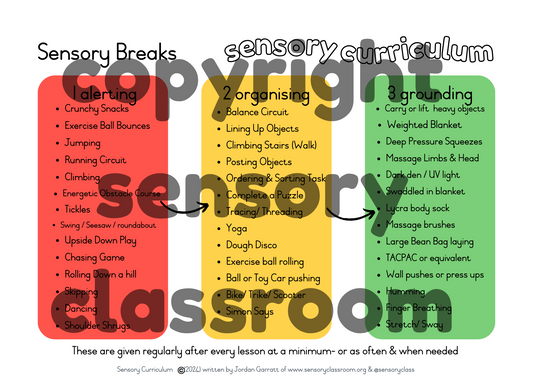
● Encouraging students to let off steam with stimulating activities such as running around outside, kicking a football, drawing or dancing.
● Providing moments to unwind, recharge and self-regulate including encouraging them to talk about their day or spend some quiet time alone.
● Not pressuring children to repeat ‘good’ behaviour or to always have ‘good’ days.
● Breaking tasks into smaller, less overwhelming steps.
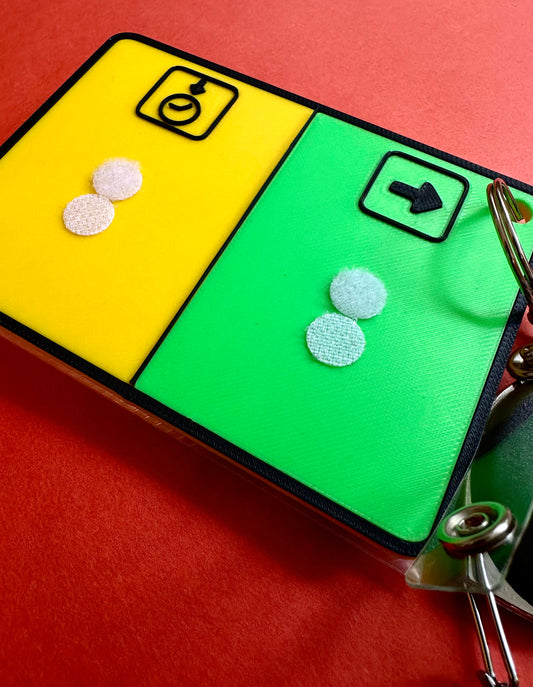
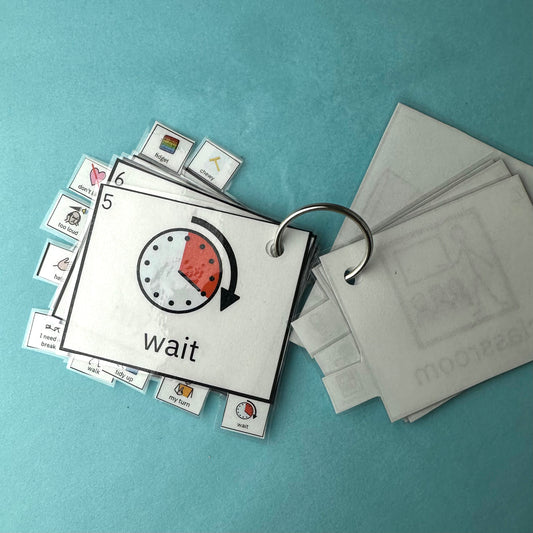
● Creating predictable and consistent routines to provide a sense of security and make
transitions smoother.
● Reviewing the day later to allow time to reflect, open up and share.
● Listening to and validating a child’s feelings and emotions without judgement.
AUTHOR BIO:
By Nicole Sherwood, Content Writer at Spencer Clarke Group.
Spencer Clarke Group is a specialist education recruitment agency based in the heart of the North West. Operating nationwide, they help schools to find experienced teaching and support staff on a daily, temporary, temp-perm or permanent basis.
In 2025, Spencer Clarke Group was awarded Best Public/Third Sector Recruitment Agency and Best Temporary Recruitment Agency at the Recruiter Awards. In 2024, Spencer Clarke Group was also named Recruitment Agency of the Year.
https://www.spencerclarkegroup.co.uk/specialisms/education-send/
https://www.spencerclarkegroup.co.uk/specialisms/education-send/education-and-send-
schools/