Transition days can be a huge emotional event for many learners, especially those with high support needs. Whether you’re welcoming new learners into a specialist setting or supporting a small group with additional needs in a mainstream provision, the goal is always the same: reduce anxiety, build trust, and spark connection.
Rather than trying to “cram in” learning, the focus should be on helping learners feel safe, understand what’s happening, and begin to trust the adults and environment around them.
Here are my favourite calming, purposeful and connection-based activities for a successful SEND transition day:
- Familiarisation Stations
Set up small zones around the classroom that invite quiet exploration. Each station should offer a different sensory or communication experience. For example:
- Shallow sensory tray with scoops (water, rice, sand… or edible alternatives)
- Cause & Effect toys
- Light up toys
- Coreboard folders or visuals nearby
These allow learners to explore the room at their own pace, and give staff a chance to observe preferences or sensory needs.
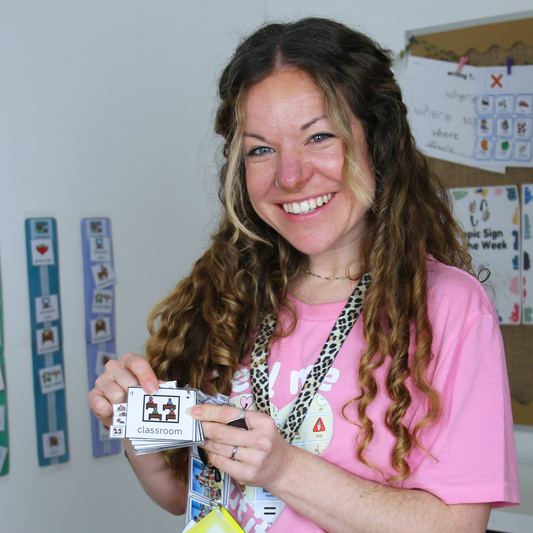
🛒 Try my Coreboard Folder for easy symbol access anywhere in the room:
https://sensoryclassroom.org/products/coreboard-folder-strap
2. Sensory Story “my new classroom”
I am currently working on a “All About School” story, but here are thoughts in the meantime. I also have an editable social story about moving classes or schools on my Google drive in the “training” > “transitions” folder
Access here: https://sensoryclassroom.org/products/full-google-drive
A short sensory story about the day ahead or the new classroom is a great way to introduce transitions and new spaces in a way that feels safe and engaging.
You might use:
- Photos of staff or classroom areas
- Fabric for the carpet or chair
- Sound effects for the doorbell or music time
- Smells like foods for lunch time etc
🛒 If you’d like help writing your own, my Sensory Story Theory Training breaks it all down simply:
https://sensoryclassroom.org/products/sensory-story-theory-training
Or browse my ready-made Book Shop for sensory stories here:
https://sensoryclassroom.org/pages/book-shop
3. Choice making and routine symbols
Making choices supports communication, builds independence, and helps reduce anxiety — especially when learners aren’t yet speaking. It puts them in control, whilst also helping us learn about their interests.
Set up opportunities to choose:
- What comes next (Now/Next boards)
- Which sensory activity (water or playdough)
- Songs and transitions
🛒 My Choice Boards are perfect for this:
https://sensoryclassroom.org/products/choice-boards
And if you’ve bought the Storage Drive, make sure to use the Interactive Song Choice Board – it’s a favourite for transitions and building engagement right from the start. If you don’t have access you can here:
https://sensoryclassroom.org/products/full-google-drive
📚 Read more in this blog: https://sensoryclassroom.org/blogs/sensoryclassroom/why-letting-learners-choose-matters
4. Build trust through intensive interaction
If you have pre-verbal or high-anxiety learners, sometimes what’s needed most is connection, not curriculum.
A quiet adult modelling Intensive Interaction strategies — copying movements, vocalisations, and rhythms — helps the learner feel seen and met at their level.
You can explore my full Intensive Interaction Training pack here:
https://sensoryclassroom.org/products/intensive-interaction-training
🎧 listen to Podcast Episode 34, where I talk about building connection with non-speaking autistic learners:
Watch: https://youtu.be/mxE4CJ0y3I0
Listen: https://sensoryclassroom.org/pages/podcast
5. Predictable endings with a visual countdown
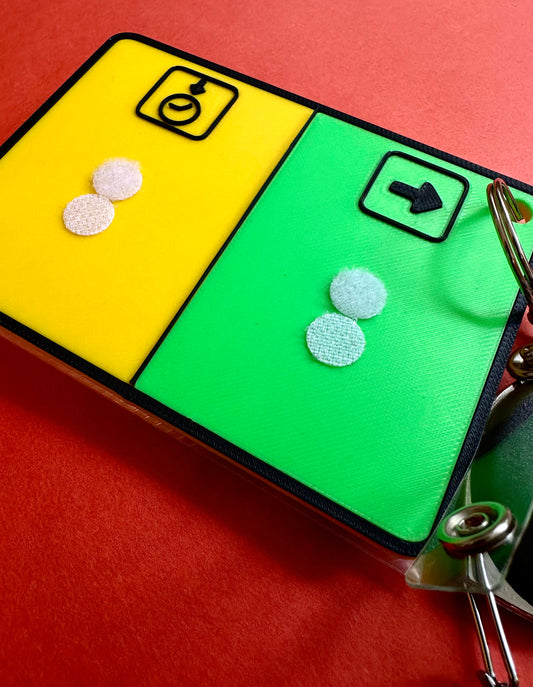
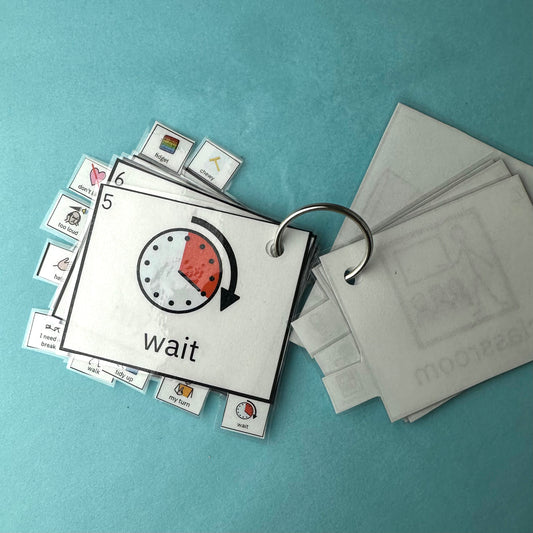
When the session is nearly done, support transitions home or to the next space with a clear countdown strip. This supports emotional regulation and gives learners time to process the change.
🛒 My Editable Countdown Tool includes visual strips and “check schedule” symbols to build independence:
https://sensoryclassroom.org/products/countdown-symbols
Transition days don’t have to be busy to be brilliant. In fact, a gentle, low-demand day built on sensory exploration, symbol communication and connection will do far more for long-term success than trying to teach formal curriculum from day one.
Less pressure. More presence.
If you’d like help planning a personalised transition day, book a 1:1 consultancy session with me here:
https://sensoryclassroom.org/products/virtual-consultancy-training-or-coaching
Have fun getting to know your new learners and remember to join them in the fun!